CASE STUDY • RESEARCH & STRATEGY DOCUMENTATION
GloboSpect was not designed around assumptions. The project combined competitive benchmarking, usability evaluation, user research, strategic product thinking, and iterative design to explore how transparency can rebuild trust in digital news experiences.
HOW GLOBOSPECT WAS BUILT
ROLE
UX/UI Designer
YEAR
2025
SCOPE
Research → Prototype
METHOD
Nielsen's 10 Heuristics
PROJECT METHOD
Trust was treated as a system, not a slogan.
Each phase connected evidence to decisions: what readers said, where existing platforms created friction, how the product could support growth, and how the interface could make political context visible without adding more noise.BENCHMARKING
01
How do current news platforms handle trust, orientation, and transparency?
I audited UOL, G1, RTP, and Ground News using Nielsen's 10 Usability Heuristics to understand how major news platforms help readers locate themselves, recover from errors, evaluate credibility, and navigate dense information environments.
01 UOL
POSITIONING
Brazilian news platform perceived as politically balanced.
KEY ISSUES IDENTIFIED
Readers could not easily understand where they were within the website. Login and registration flows lacked clear recovery paths, and large volumes of text and images made content prioritization difficult.
HEURISTICS AFFECTED
Visibility of system status
Aesthetic and minimalist design
UX IMPACT
Medium severity. Navigation was not blocked, but cognitive load increased.
DESIGN OPPORTUNITY
GloboSpect should make location, category, and reading priority visible at all times.
02 g1
POSITIONING
Brazilian news platform perceived as right-leaning.
KEY ISSUES IDENTIFIED
During login and registration, users could not easily return after giving up or encountering an error. The site also offered limited contextual information about the company and its editorial structure.
HEURISTICS AFFECTED
Visibility of system status
User control and freedom
Help and documentation
UX IMPACT
High severity. Users may feel trapped in the flow and abandon the experience.
DESIGN OPPORTUNITY
GloboSpect should provide clear navigation recovery, visible support paths, and transparent contextual information.
03 rtp
POSITIONING
Portuguese news platform perceived as politically balanced.
KEY ISSUES IDENTIFIED
Few significant usability issues were identified. The platform presented clearer navigation and a more structured information experience compared to the other audited websites.
HEURISTICS AFFECTED
No major violations observed.
UX IMPACT
Low severity. RTP worked as a useful reference for clarity and editorial structure.
DESIGN OPPORTUNITY
GloboSpect should preserve clarity while adding a more explicit political-bias transparency layer.
04 ground news
POSITIONING
News platform focused on political bias comparison and media transparency.
KEY ISSUES IDENTIFIED
Ground News validated the relevance of political-bias transparency as a product feature, but also showed that this information needs to be presented without overwhelming the reader.
UX IMPACT
Medium severity. Transparency is valuable, but it must remain easy to scan and understand.
HEURISTICS AFFECTED
Recognition rather than recall
Aesthetic and minimalist design
DESIGN OPPORTUNITY
GloboSpect should make bias labeling visible, simple, and contextual — not hidden behind complex explanations.
USER RESEARCH
02
What readers actually said.
To validate the findings from the benchmark, I conducted interviews with readers across different political positions.
Interviews
12
Age range
24-72
Perspectives
Multiple
INSIGHT 01
“I don't trust any single outlet anymore.”
Readers wanted transparency, not neutrality.
INSIGHT 02
“If I knew where a story stood politically, I'd probably read more of them.”
Political labeling reduced anxiety rather than increasing polarization.
INSIGHT 03
“I don't have time to compare five different newspapers.”
Users needed shortcuts to credibility.
Research outcome
“11/12 wanted a visible political-position label.”
Participants asked for political context attached directly to news stories.
Research signal
“The right cue before opening.”
Readers were not asking for more information everywhere — they wanted the right trust cue before deciding what to read.
STRATEGIC THINKING
03
Connecting user needs to business outcomes.
The project explored how trust, transparency, and personalization could support both user goals and product growth.Many users abandoned news websites before consuming meaningful content.
RESEARCH FINDING
If readers receive personalized recommendations and clear political context, they will reach value faster and engage more deeply.
PRODUCT HYPOTHESIS
EXPECTED PRODUCT IMPACT
| Faster time-to-first-value
| Higher retention
| Increased activation
| Improved trial-to-paid conversion
DESIGN RESPONSE
Bias-aware onboarding
Personalized feed
Clear article hierarchy
Consistent calls-to-action
Transparent source labeling
INFORMATION ARCHITECTURE
04
Designing clarity before designing screens.
One of the main goals of GloboSpect was reducing cognitive overload.
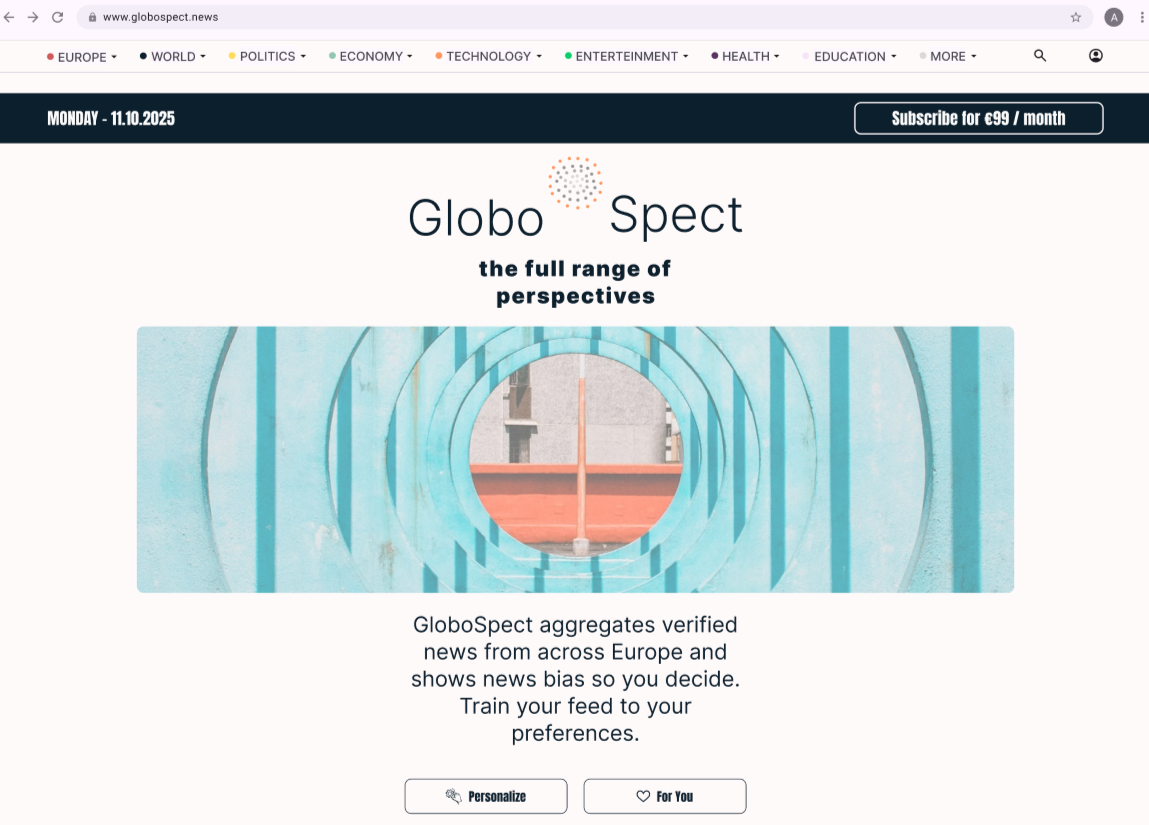
PRIMARY NAVIGATION
01
HOME
02
FOR YOU
03
POLITICS
04
ECONOMY
05
TECHNOLOGY
06
ENTERTEINMENT
07
HEALTH
08
EDUCATION
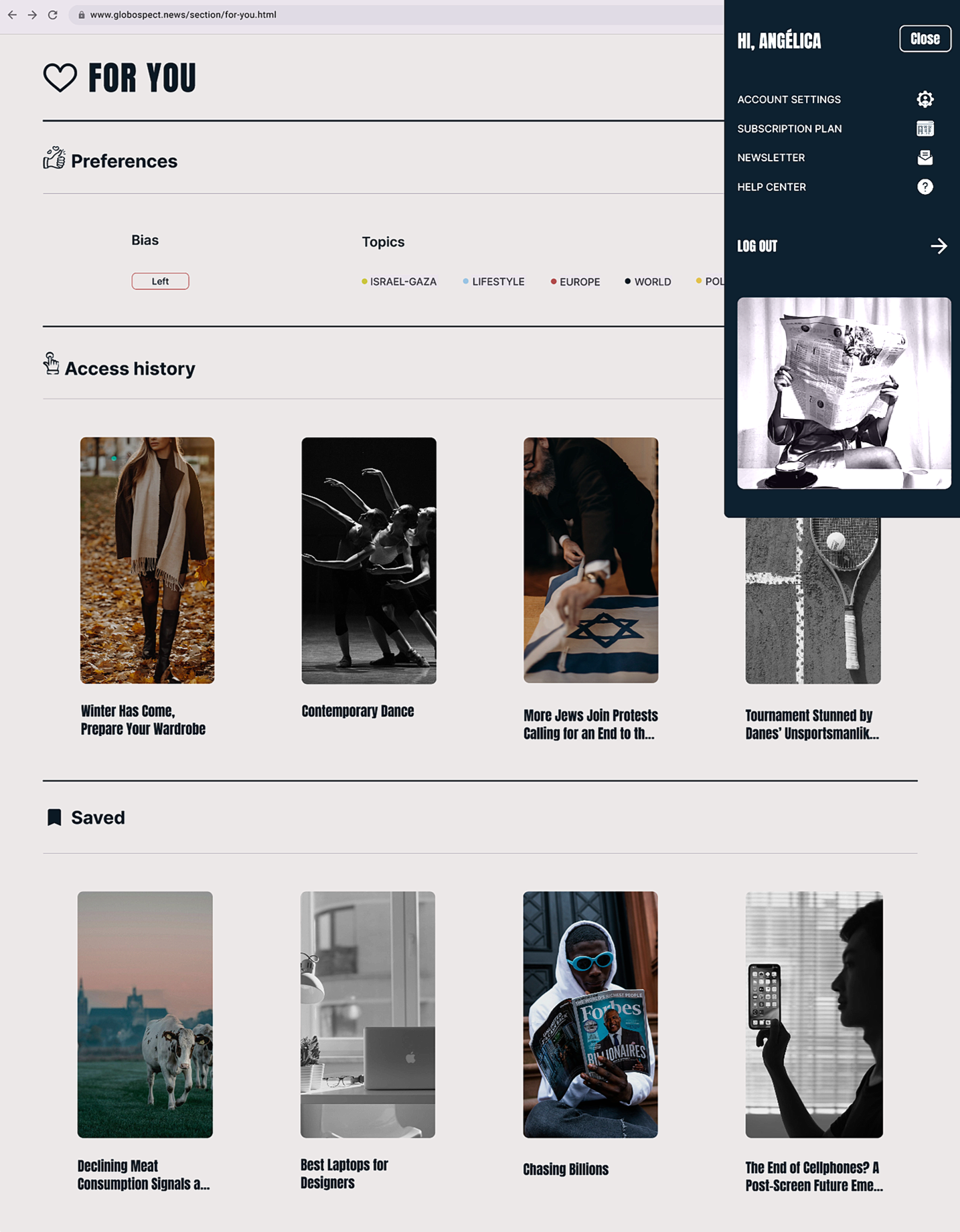
SECOND LAYER
01
SAVED ARTICLES
02
READING HISTORY
03
ACCOUNT
04
SUBSCRIPTION
05
SUPPORT
GUIDING PRINCIPLE
Every screen should answer: Where am I? What should I do next? Why is this content relevant to me?
WIREFRAMES & ITERATION
05
From assumptions to evidence.
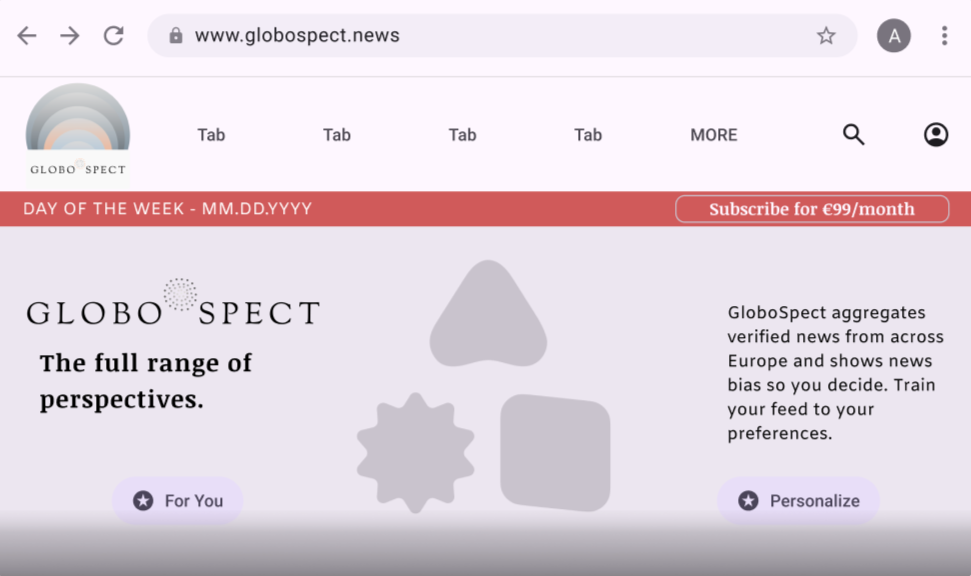
Low-fidelity wireframes were used to test article prioritization, onboarding flows, source-label visibility, and CTA hierarchy.
01
STAGE
INITIAL CONCEPT
Political information hidden inside article pages.
02
STAGE
user feedback
Participants wanted context before opening an article.
03
STAGE
final decision
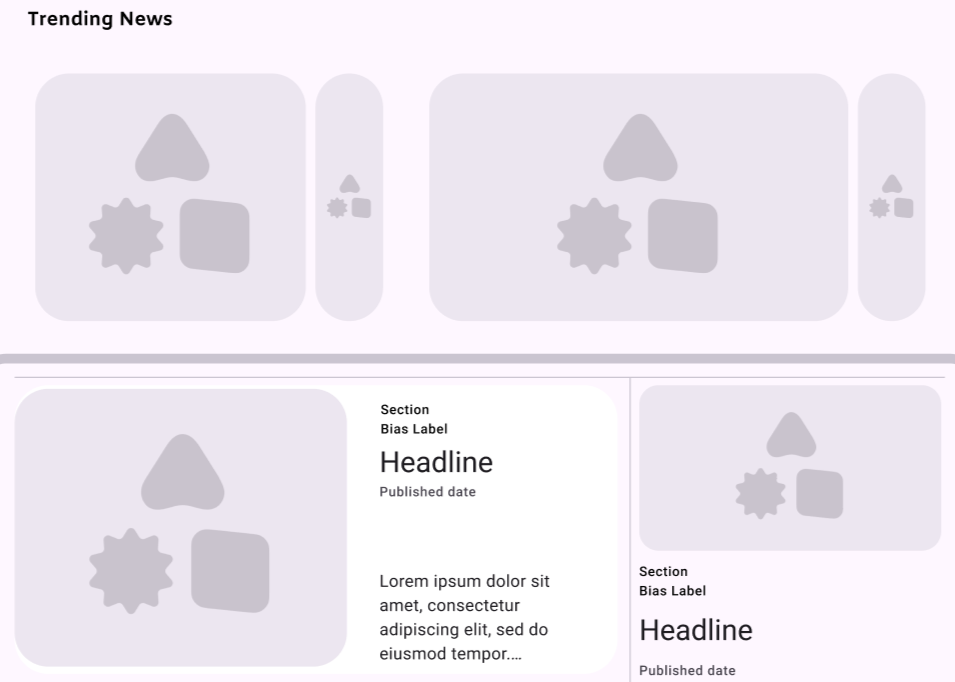
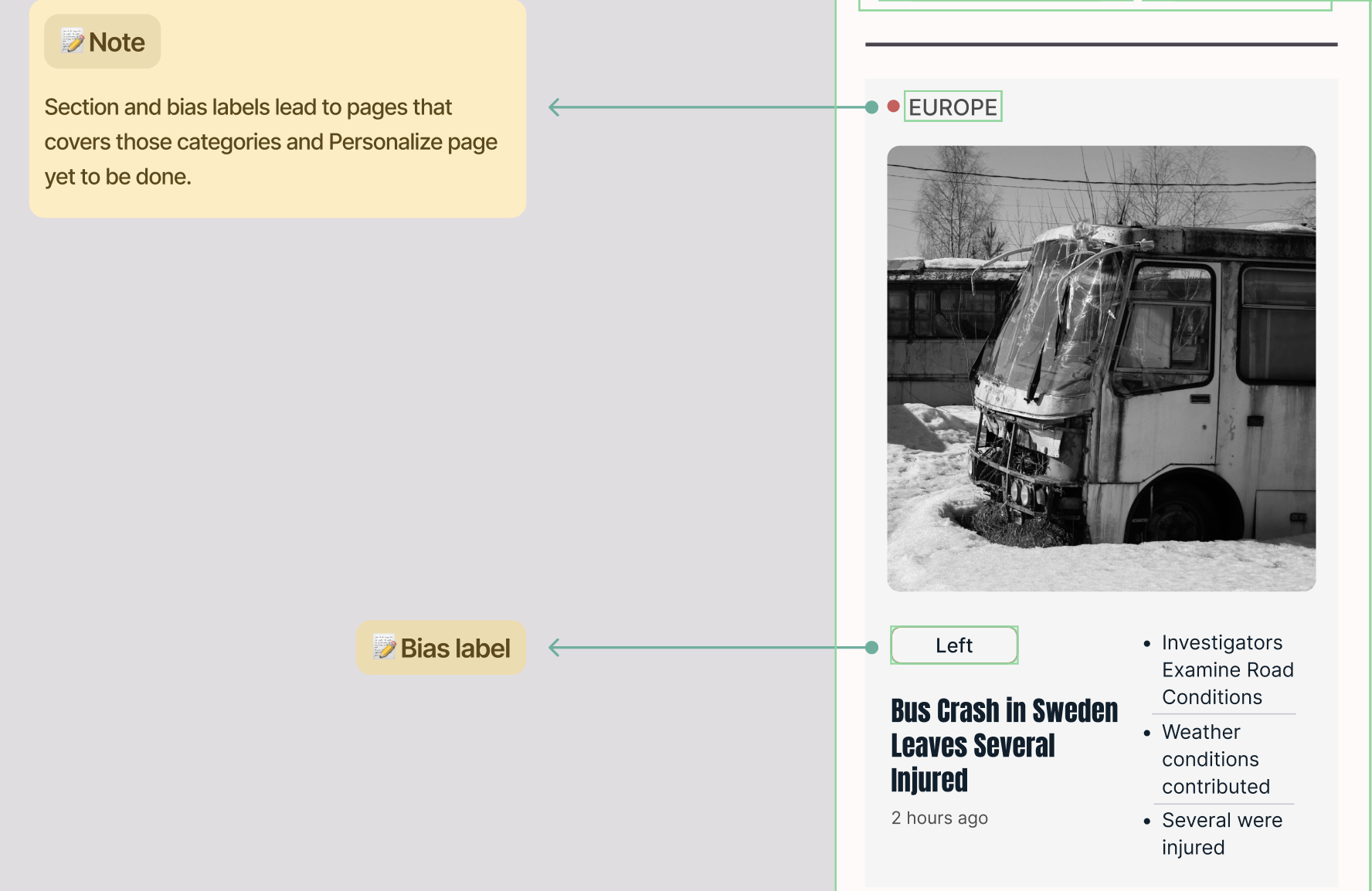
Political-position labels became visible directly in article cards.
DESIGN SYSTEM
06
Built around legibility.
The visual system was designed to feel calmer than traditional news websites.
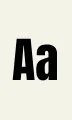
Anton
Used for headlines and editorial emphasis.
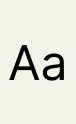
Inter
Used for body content and interface elements.
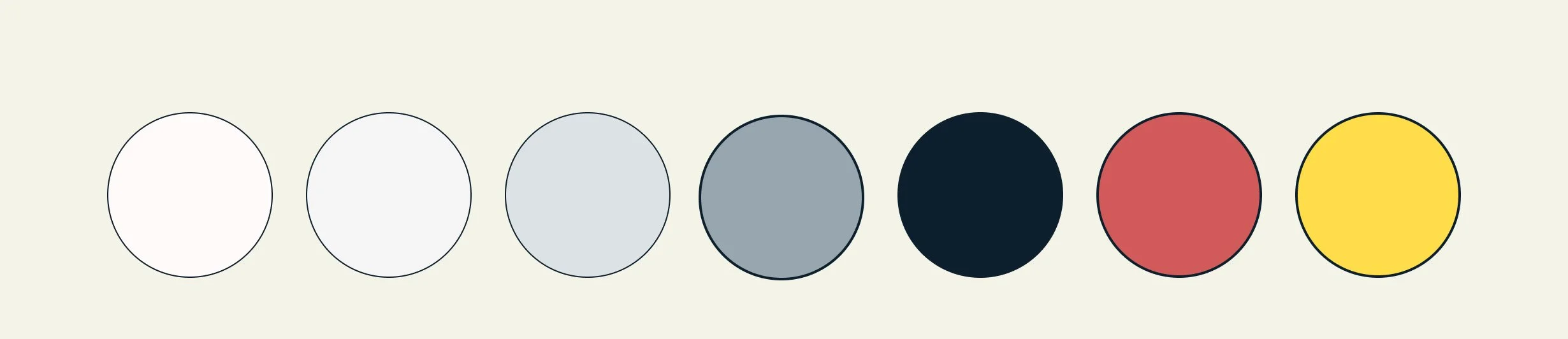
Color system
A restrained palette minimizes visual noise while allowing political-position indicators to remain immediately recognizable.
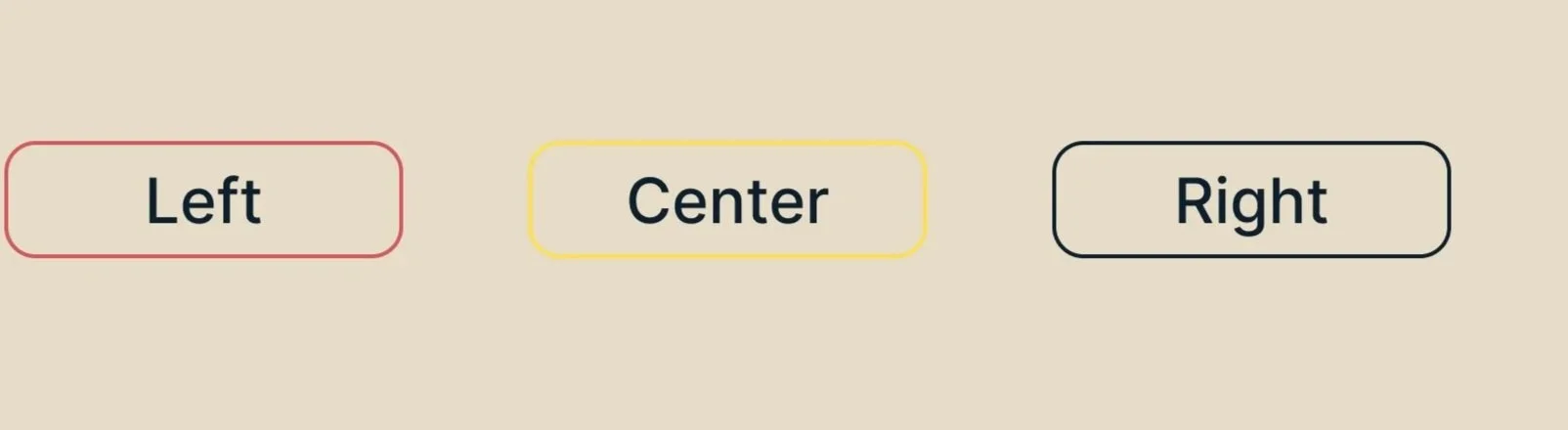
BIAS LABELING
Every article includes a visible indicator. The label functions as contextual information rather than editorial judgment.
PROTOTYPE
07
Calm by default.
Transparent on demand.
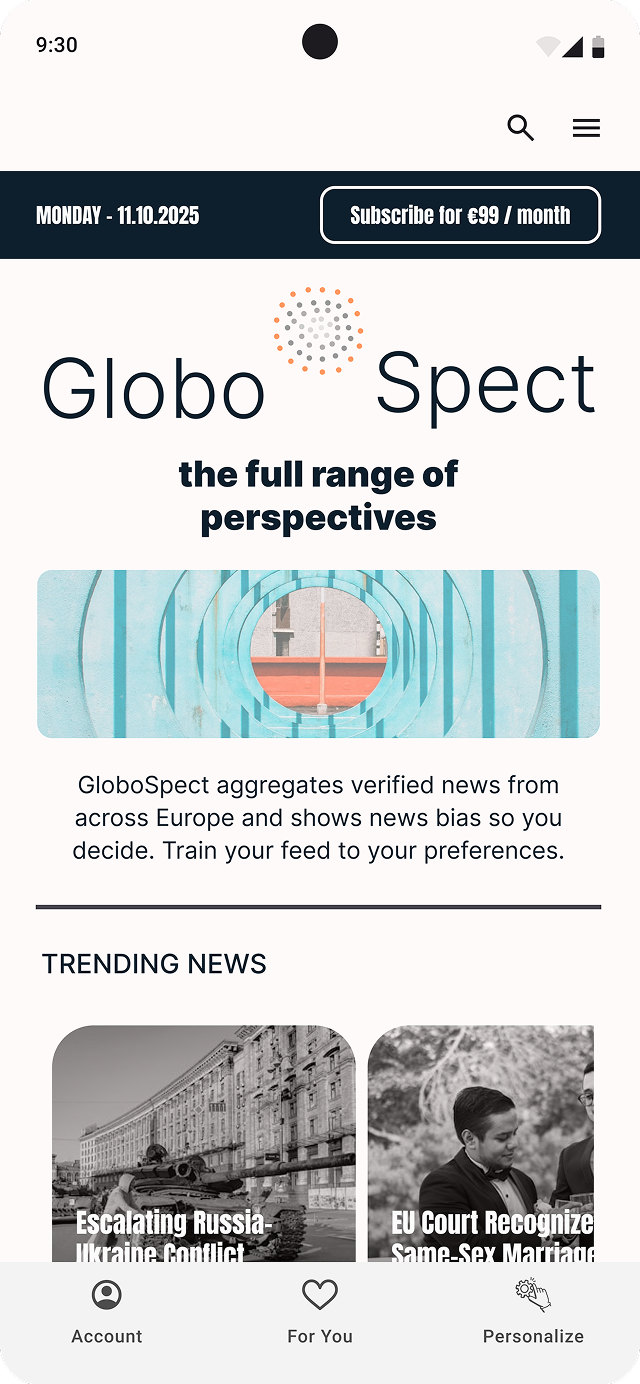
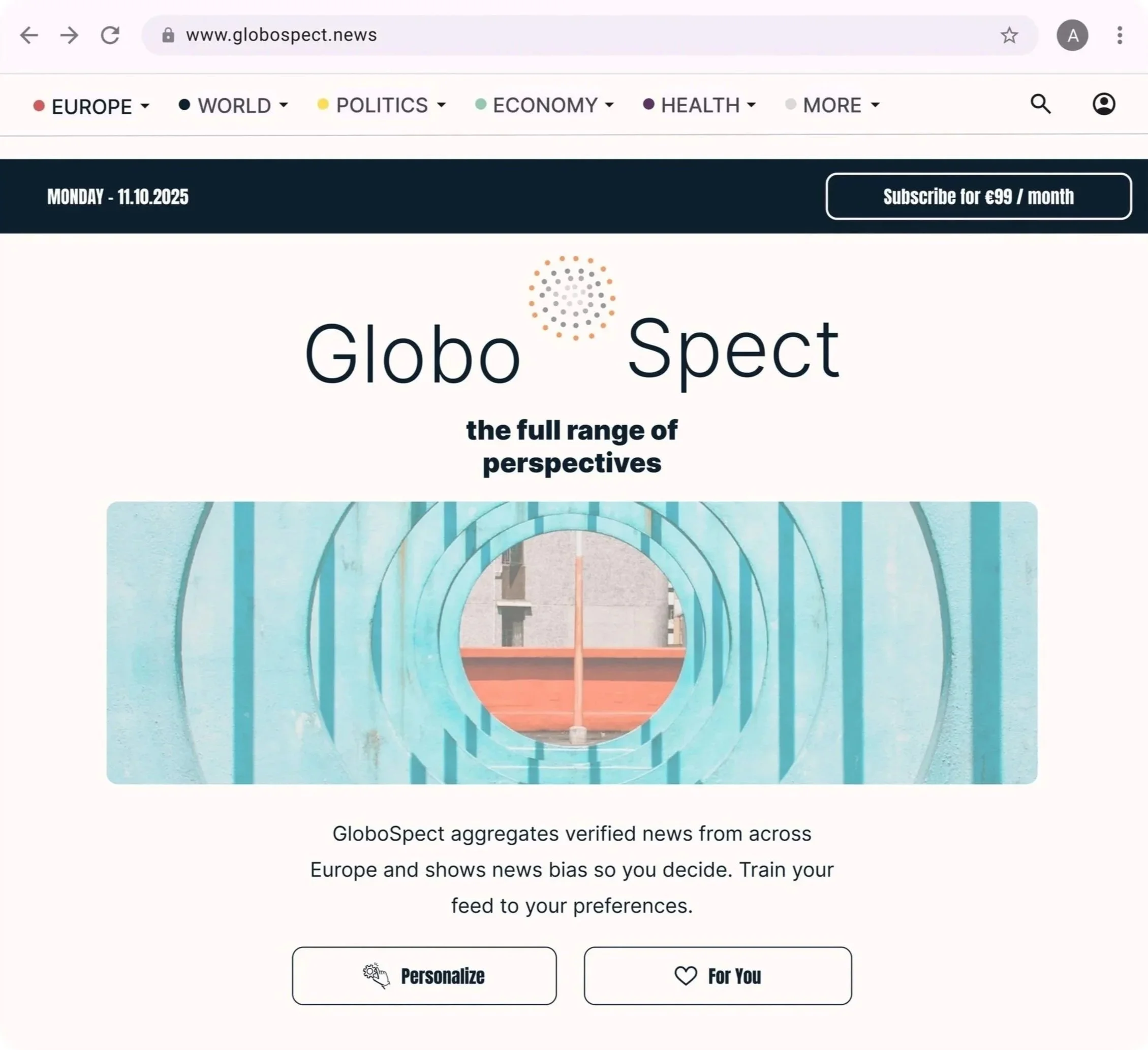
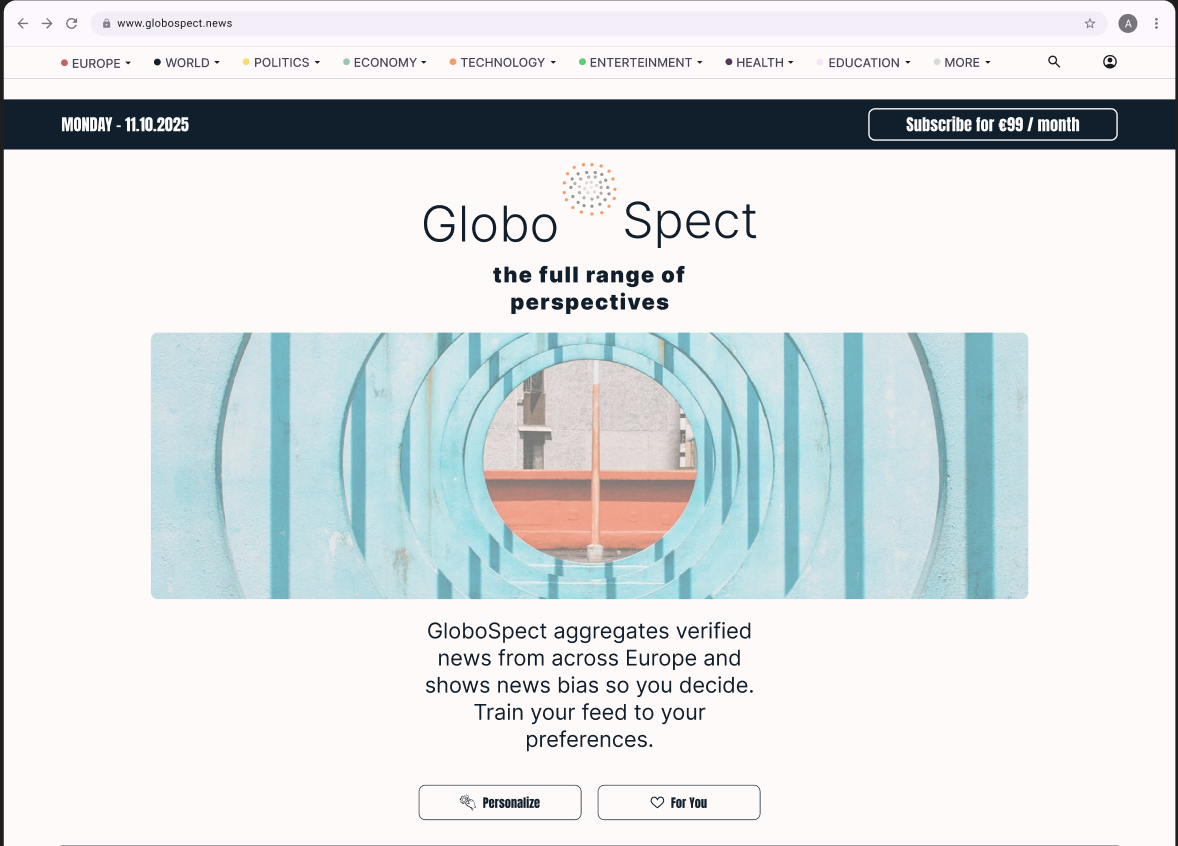
The final prototype combines personalized recommendations, political transparency, responsive layouts, simplified navigation, and reduced cognitive load.
Personalized recommendations
Readers reach relevant content faster.
Political transparency
Bias context appears before the article opens.
Responsive layouts
The experience supports mobile, tablet, and desktop.
Simplified navigation
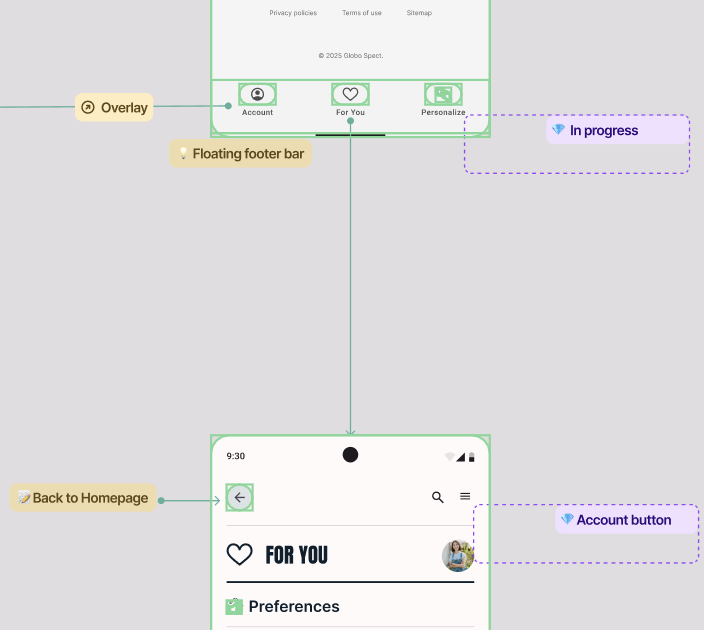
Core pathways stay visible and predictable.
Reduced cognitive load
The reading experience stays calm by default.
SUPPORTED PLATFORMS
Mobile
Tablet
Desktop
DEVELOPER HANDOFF
08
Designed for implementation.
The final prototype was prepared to ensure consistency across implementation while reducing development ambiguity.
Deliverables
✓ Component library
✓ Design system documentation
✓ Responsive breakpoints
✓ Reusable UI patterns
✓ Interactive prototype
✓ Developer-ready specifications
Handoff goal
Ensure consistency across implementation while reducing development ambiguity.
Implementation logic
Components, breakpoints, and content rules were documented so the experience could scale without losing clarity.
REFLECTION
Designing for trust isn't about adding more information.
It's about making the right information visible at the right moment.
GloboSpect taught me that small interface decisions, such as a simple political-position label, can significantly influence confidence, comprehension, and engagement.